Acupuncture in Farnham for fertility, anxiety, pain and wellbeing

East West Clinic is the acupuncture and Chinese medicine clinic of Jamie Hamilton in Lower Bourne, Farnham.

With over 20 years' clinical experience, Jamie offers calm, thoughtful treatment for people looking for clear support with fertility, stress and anxiety, pain and recovery, and wider health and wellbeing.

Treatment begins with a detailed first appointment, where your symptoms, health history, pulse diagnosis and treatment options are considered together. From there, care can continue through flexible follow-up treatment or one of four structured pathways.

• Over 20 years' experience
• Degree-qualified acupuncturist
• Chinese herbal medicine where appropriate
• Calm private treatment room with easy parking
Book a First Appointment

Treatment Pathways

At East West Clinic, treatment is organised around four main pathways. These are not rigid packages or discounted programmes. They are a clear way to understand what kind of care may be most appropriate, how treatment is likely to begin, and how progress can be reviewed.

Most patients begin with a first appointment and then four weekly treatments as a foundation. This gives enough time to understand your pattern, begin treatment properly, assess your response, and decide the best rhythm from there.

4 Pathways at East West Clinic

Your First Appointment

The first appointment is the starting point for treatment at East West Clinic.

It includes time to talk through your main concern, relevant health history, current symptoms, and what you would like help with. Jamie will also use traditional Chinese medicine diagnosis, including pulse assessment and channel examination, to build a clearer picture of your pattern.

You will usually receive acupuncture treatment during the first appointment. Herbal medicine may also be discussed where it is clinically appropriate.

At the end of the appointment, Jamie will explain what kind of treatment rhythm may be useful. Most patients begin with four weekly treatments as a foundation, then review from there.

First appointment: 60 minutes, £90

Book a First Appointment

Experienced care in a calm local clinic

Jamie Hamilton has been practising Chinese medicine since 2003 and acupuncture in Farnham for over 20 years.

He is a degree-qualified acupuncturist, Chinese herbal medicine practitioner, teacher of Chinese medicine, published author, and specialist in pulse diagnosis. Treatment is calm, individual, and based on understanding the whole pattern of a person's health rather than focusing only on isolated symptoms.

East West Clinic is based in Lower Bourne, Farnham, with a private treatment room and easy parking. The clinic is within reach of Farnham, Haslemere, Guildford, Surrey and nearby Hampshire.

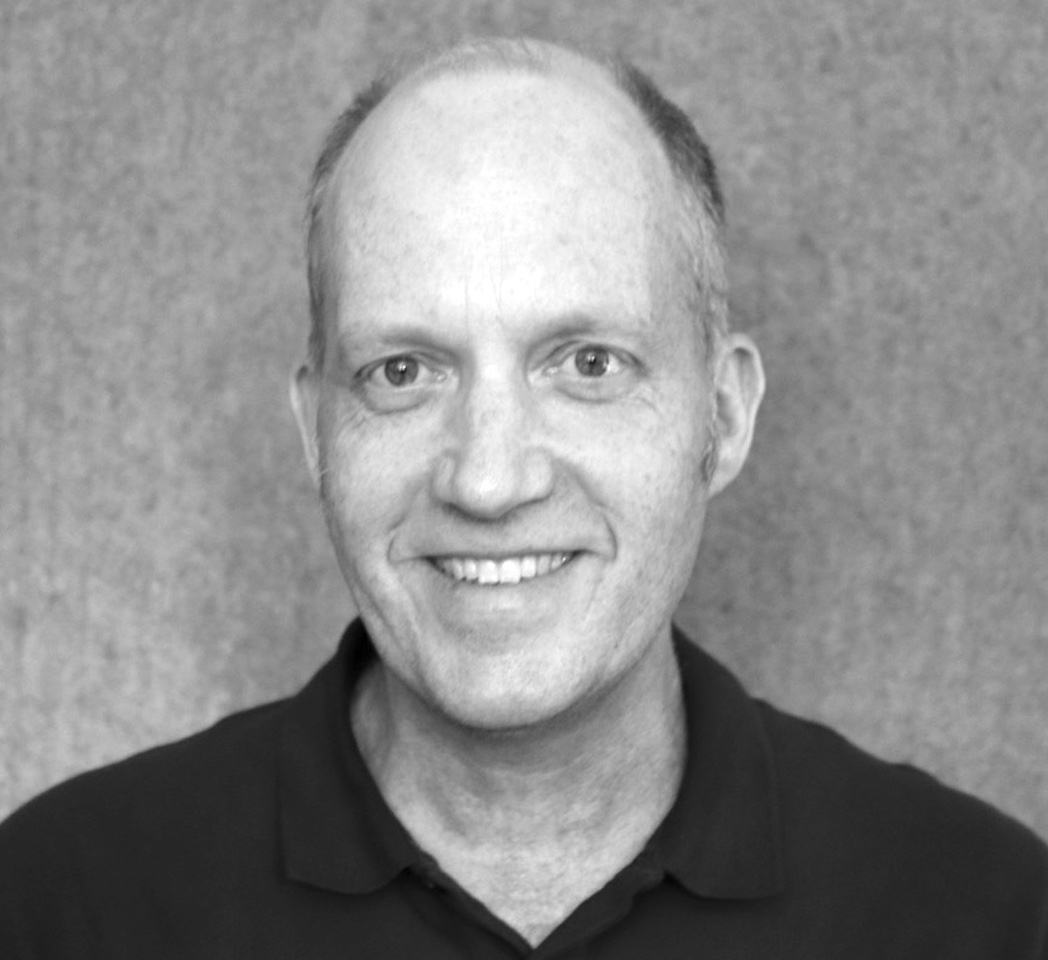
Portrait Jamie Hamilton Acupuncturist

Registered Acupuncturist: Jamie Hamilton

Jamie Hamilton is a degree qualified acupuncturist registered with the Association Acupuncture Clinicians, a qualified Chinese herbal medicine and shiatsu practitioner, a teacher of Chinese Medicine, co-prinicpal of a Chinese medicine CPD college and in 2022 a published author in the professional literature.

Jamie Hamilton LicAc LicCCH BSc FwSS

So: what do the letters after my name mean?
LicAc is Licentiate in Acupuncture.
LicCCHM is Licentiate in Classical Chinese Herbal Medicine.
BSc is a Bachelor of Science Honours Degree in Acupuncture (2:1 grade) at College of Intgrated Chinese medicine validated by Kingston University
FwSS is Fellow Member of The Shiatsu Society UK, the UKs leading professional body for Shiatsu and giving excellent peer support for acupuncture practice as a adjunct. I have been a member of the Shiatsu Society since 2003 and a registered teacher since 2006

I have been interested in Chinese medicine since 1987 when travelling in China where I was involved in a serious bike accident. I met a blind Chinese medicine practitioner there who used a variety of effective methods to heal my injured arm, and this planted the seed for my Chinese Medicine practice. I have been in practice with Chinese Medicine since 2003. With my training ranging initially from therapeutic massage with the Maitri Foundation and shiatsu with the European Shiatsu School (ESS) with the great Chris Jarmey and George Dellar. I taught shiatsu for the ESS starting in 2006 and for my own school: East West College, from 2009. In that same year I started my acupuncture degree at College of Integrated Chinese Medicine (CICM) with the wonderful Angie and John Hicks who inspired the sense of importance to consider the emotional aspect of treatment.

I continue to teach for colleges in the U.K. and am co-principal of East West College, providing innovative CPD courses for acupuncture practitioners.

Book cover for Essential Pulse Diagnosis in Chinese Medicine, Mai Jing A-B-C Method by Jamie Hamilton

Diagnosis Theory and Practice

In 2015 I began to investigate the diagnostic procedures in Chinese Medicine. This began with the practice of Applied Channel Theory as taught by the incredible practitioners Dr. Wang Ju-Yi, Dr. Jason Robertson. and Johnathan Chang. I have been fortunate to have met and studied with Dr. Wang in Beijing in 2016 as well as taking advanced seminars with Jason and Johnathan in Switzerland and Beijing.

In 2016 I began a major area of personal research into pulse diagnosis culminating in developing an innovative method based on Classical techniques called the Mai Jing ABC method.

I now regularly teach this method and have written a book about it called Essential Pulse Diagnosis in Chinese Medicine, which was published by Singing Dragon in 2022.

The Chinese Medicine Approach

Chinese medicine looks for patterns in how the body is functioning. Symptoms are considered alongside sleep, digestion, energy, stress, emotional state, pain, cycle health, and other signs that help build a fuller picture.

This broader view is one of the strengths of acupuncture. It allows treatment to be tailored to the individual, rather than treating everyone with the same symptom in the same way.

Where appropriate, Chinese herbal medicine may be used alongside acupuncture as an additional clinical option.

Patient Experiences

"Jamie has been treating me for years whenever I feel the need for an acupuncture appointment. He has a wonderfully empathetic manner, and I always feel in very capable hands. It’s a testament to his skill that I keep returning year after year. His ability to transform how I feel, leaving a lasting positive impact, is truly remarkable.." SW of Farnham
"My Chinese Medicine experience with Jamie has been superb! I loved the integrated approach of mind- body and emotions that I had heard so much of and can now see how well it all comes together. I came seeking help with my really stuck sleeping problems and have now really improved." WT of Lower Bourne
"Jamie has helped me with different problems over the years. He is skilful and compassionate and listens carefully to the problem at hand.  He asks insightful questions and is very knowledgeable about how the body metabolises stress.  I always find I sleep incredibly well after a treatment!" CB of Farnham
“4 sessions of acupuncture and your magic heat lamp have totally sorted my back and knees. Thank you! I'll be back for maintenance sessions." IF of Farnham

Conditions and Treatment Areas

Many people come to acupuncture with a specific symptom or diagnosis. Others come because they feel out of balance and want a more complete view of their health.

The main areas of focus at East West Clinic are fertility, anxiety and stress-related conditions, pain and recovery, and broader wellbeing. Some additional treatment areas are listed below.

A-Z of Conditions Treated

Acupuncture in Farnham FAQ

What happens during treatment?

I will first take a detailed medical history to better understand the condition that you are coming with, this is an important step, and expect to answer a variety of questions about both your physical and sometimes emotional condition where relevent.

In the clinic you then rest on a comfortable treatment couch in a super peaceful treatment room, and then ultra fine needles are inserted into specific points on the body.

Sometimes I may also use a smouldering herb called ‘moxa’ to warm these points, and cupping therapy to ease muscular pain. A very usual aspect of treatment I add now is the use of a heat lamp and a special salve (made right here in the clinic). This is used to ease muscle and joint pain and is really effective!

What are the benefits of acupuncture?

The benefits of acupuncture therapy can be grouped into three broad categories of action:

Relaxing Tension, Boosting Vitality and Calming Anxiety

These three actions are a catchphrase of treatment, and actually underpin some of the key theories and mechanisms of the method.

Relaxing Tension
is all about stress, and our response to stress. We find a new, very relaxed mode of life.
Boosting Vitality
is about combating tiredness, and increasing our inner spark of vitality.
Calming Anxiety
is about finding a calm core of our being that can't be shaken by life's ups and downs.

Each of these actions correspond to a set of specific channels and points in the acupuncture system. When we rebalance the body by focussing on one aspect, we actually enhance all three, as these actions are mutually interlinked.These states actually underpin our health, allowing our system to work optimally, increase bloodflow, enhance metabolism, boost the immune system, provide good sleep and maintains our fertility.

What is the meaning of the word "acupuncture"?

The meaning of the english word "acupuncture" is interesting. Acu means "sharp" and is also found in such words as accurate. "-puncture" is just like it sounds! In chinese the words used for it is "zhen-jiu" 针灸 which means needling (with an acupuncture needle) and moxabustion. That last word refers to heat treatment, often by using a glowing herbal stick we call a "moxa stick". By the way, it is not spelled "accupuncture", although this often shows up on search results!

Does acupuncture have any side effects?

Acupuncture is an extremely safe technique, with very high standards of hygiene and training. Degree level training and continuing professional development ensure a professional approach. I am a member of the British Acupuncture Council which insists on a code of safe practice, ensuring that levels of hygeine and safety in treatment are extremely high.

In essence there are no negative side effects to treatment. Very few adverse effects of treatment have ever been recorded, and these few were traced to unregistered practitioners. On the contrary, the after effect of acupuncture is overwhelmingly positive, with incresed relaxation and sense of wellbeing.

How does acupuncture work?

How acupuncture works is a really good question! Because acupuncture is a traditional treatment form in China for literally thousands of years, it something of a fact of life that acupuncture gives effective treatments, and ordinary people are not very questioning of "how" and "why" it works. Here in the west, we use the scientific tradition to know and make progress, so to answer this we can approach it from this tradition.

In scientific terms acupuncture is thought to profoundly stimulate nervous system, the cerebellum, endocrine system and immune system. Functional MRI scans show actual changes in the cerebellum (part of the brain) during acupuncture needling that relate to increased parasymathetic sysem function and release of dopamine. These changes are then thought to actually mediate direct changes in physiology.

What exactly are acupuncture points?

It is quite well known that pressing certain points / places has an benficial effect on the body. Acupuncture uses these same places, and with placing a needle to a depth of half an inch or so it can make a very specific change. In fact the traditional Chines terms for these places are actually called "holes" or xué 穴

Knowledge of acupuncture points is well known in the technique of acupressure and uses the same places as acupuncture but with strong pressure applied. This can be very useful for clients to use for themselves and I show some self-care acupressure points here on the wellbeing page of this site.

Does acupuncture work?

Another excellent question. The short answer is "Yes acupuncture works!".

For most conditions that people come to treatment for, they experience a decrease in symptoms.The long answer is that it is actually not so easy to answer this question with 100% certainty. In common with other "complex medical interventions" like physiotherapy, psychotherapy, occupational therapy, surgery and nursing, it is very hard to tell with complete accuracy how well the therapy does. This is because the actual nature of the intervention is completely individualised for each and every client. We do not generally follow standard protocols, and no two treatments will be exactly alike. This means that following more stringent scientific testing is never going to be possible for acupuncture. That being said, there is increasing evidence for the efficacy of treatment for acupuncture. This is reported widely across scientific papers. I use the Journal of Chinese Medicine as my main source of scientific information showing the ways that acupuncture works. for many conditions, there is quite reasonable levels of evidence for treatment, and I often use this information to plan my treatments and communicate with my patients regarding treatment outcomes.

I am passionate about addressing patient's main complaints well, using evidence based acupuncture appropriately and persuing the latest professional training or CPD. These two factors of Evidence based acupuncture and ongoing CPD form the gold standard of acupuncture care.